

Small and medium-sized enterprises (SMEs) often need custom software to improve operations, serve customers, and support business growth. However, building an in-house development team requires time, technical expertise, and ongoing investment. The challenge is knowing when outsourcing offers a practical advantage rather than adding unnecessary complexity.
Understanding when should SMEs outsource software development starts with evaluating business priorities, internal capabilities, project requirements, and available resources. The right decision allows SMEs to access specialized talent and move projects forward without committing to a permanent engineering team before it is needed.
When Should SMEs Outsource Software Development?
Outsourcing is worth considering when an SME faces a specific technical or operational challenge that its existing team cannot efficiently solve. Instead of treating it as a universal solution, businesses should assess whether external expertise can deliver a clear business outcome. Here are four situations where software outsourcing can make sense for SMEs:
- Limited in-house technical expertise: Your business needs capabilities such as AI integration, cloud development, system integration, or custom application development that are unavailable internally.
- Growing project demands: Your existing team is occupied with daily operations, leaving insufficient capacity to develop new features or launch a digital product.
- Time-sensitive product launches: Hiring permanent developers would delay an important release, while an external team can provide the necessary resources for a defined project.
- Need for flexible technical resources: Your business requires additional development capacity for a specific period but does not need a full-time team after delivery.
For example, a retail SME planning to launch an inventory management platform may not need to maintain a large engineering department permanently. Working with an external development partner can provide the skills needed to build the platform while allowing internal staff to focus on sales, operations, and customer relationships.
However, outsourcing is not always the best option. If your software is the primary source of competitive advantage, requires constant product experimentation, or depends on highly sensitive internal knowledge, retaining core technical capabilities in-house may be more appropriate. The key is to identify which capabilities your business must own and which can be delivered effectively by an external partner.
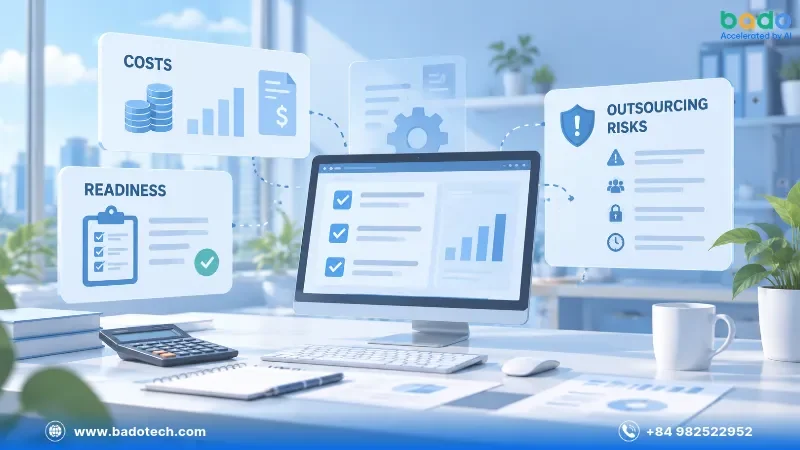
How Can SMEs Evaluate Costs, Readiness, and Outsourcing Risks?
Once outsourcing appears suitable, SMEs need to determine whether the project is financially viable and operationally ready. A lower development quote alone does not guarantee a better investment.
Start by defining the expected business outcome, essential features, delivery timeline, and budget range. These requirements provide a basis for comparing internal development with external delivery and estimating the total software outsourcing cost. Consider the following factors before making a decision:
SMEs should also assess potential software outsourcing risks, including communication gaps, delivery delays, unclear responsibilities, security vulnerabilities, and dependence on a single vendor. These risks can be reduced through clear contracts, regular progress reviews, documented requirements, and agreed acceptance criteria.
If your team is unsure how to outsource software development, start with a small, clearly scoped project or an initial discovery phase. This approach helps both parties evaluate collaboration, technical quality, and delivery expectations before committing to a larger engagement.
Most importantly, outsourcing should solve a defined business problem. If the requirements remain unclear, the budget is unrealistic, or no internal stakeholder can guide the project, it may be better to strengthen project readiness before hiring an external team.
How Bado Tech Supports Software Outsourcing for SMEs
For small and medium-sized enterprises, choosing a software development partner is not simply about finding developers to complete a project. The right partner should understand business objectives, recommend a suitable technical approach, and establish a delivery process that fits the company's resources and growth plans.
Bado Tech supports businesses that need software development expertise without having to build every technical capability internally. By aligning development resources with project requirements, SMEs can focus on business operations while moving their digital initiatives forward.
Align Software Development With Business Goals
Before starting development, SMEs need to identify the business problem the software should solve. Building too many features at once can increase costs and delay the launch, particularly when the product's requirements are still evolving.
Bado Tech approaches software development with a focus on understanding project requirements and translating them into practical technical solutions. This helps businesses prioritize essential functionality, define project scope, and establish clearer delivery expectations before development begins.
For example, a growing eCommerce business may initially need product management, order processing, and customer account features rather than a complex platform with multiple integrations. A phased development approach allows the business to validate its core requirements before investing in additional functionality.
Choose an Engagement Model That Fits Your Resources
The appropriate engagement model depends on project complexity, the availability of internal technical staff, and how much control the business wants to retain over day-to-day development. Bado Tech offers development approaches that businesses can evaluate according to their project needs:
- Custom software development: Suitable for businesses that need a specific application or digital solution built around their operational requirements.
- Dedicated development team: Appropriate for projects requiring ongoing development capacity, continuous collaboration, and a team that can support product improvements over time.
- AI engineering and integration: Relevant for businesses exploring AI-powered functionality or integrating AI capabilities into existing products and workflows.
Choosing the right model helps SMEs avoid committing to more resources than they need. A clearly defined project may be better suited to a fixed scope, while a product that requires frequent updates may benefit from a dedicated team.
Build for Long-Term Growth, Not Just Initial Delivery
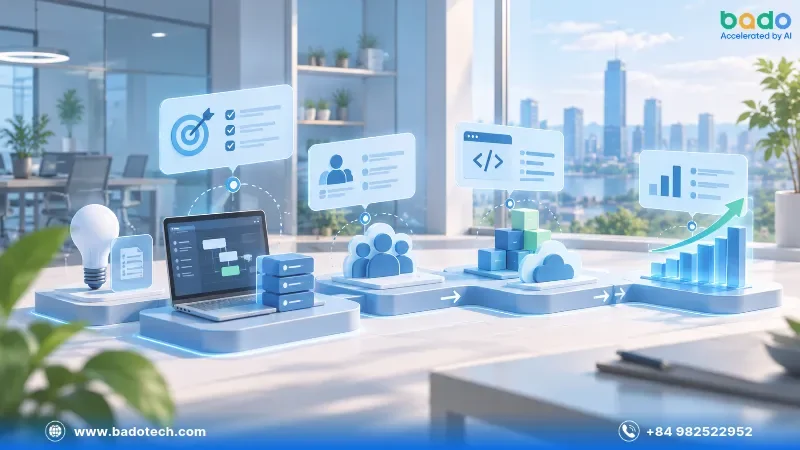
Launching a software product is only one stage of its lifecycle. As a business grows, it may need new integrations, improved performance, additional features, or more sophisticated data management.
Bado Tech's software development services can support businesses in planning for these evolving requirements. Establishing an appropriate technical foundation early helps reduce the risk of costly changes when the product expands.
For SMEs, this means considering maintainability, scalability, documentation, and future development needs from the beginning. Rather than investing in every possible feature at launch, businesses can prioritize what they need today while keeping a clear path for future improvements.
Work With a Development Partner That Understands Your Needs
Selecting an outsourcing partner requires more than comparing proposals or hourly rates. SMEs should assess technical expertise, communication practices, delivery processes, and the partner's ability to understand business priorities.
Bado Tech has been building development teams since 2021, began taking on software outsourcing projects in 2022, and expanded into AI initiatives in 2025. This development reflects its focus on building technical capabilities and supporting businesses with software development needs.
When evaluating a potential partnership, SMEs should establish clear responsibilities, agree on communication routines, and define how progress and deliverables will be reviewed. These practices create a more transparent working relationship and help both parties manage expectations throughout the project.
Whether you are planning a new digital product, expanding an existing platform, or exploring AI integration, Bado Tech can discuss your requirements and help you evaluate a suitable development approach. Contact us to discuss your project.
Conclusion
SMEs should consider outsourcing software development when they lack the necessary technical expertise, need additional development capacity, or want to launch a well-defined project without building a permanent team. The decision should balance expected business value, total cost, internal readiness, and potential risks.
Rather than outsourcing everything, businesses can retain control of product strategy while working with an external partner on specific technical requirements. With clear objectives and a suitable development partner, outsourcing can become a practical way to support sustainable digital growth.
Frequently Asked Questions
1. Is software outsourcing cheaper than hiring an in-house team?
It can reduce the need for permanent salaries and recruitment, but total costs depend on project complexity, engagement duration, communication, maintenance, and the required level of oversight.
2. What are the main software outsourcing risks for SMEs?
Common risks include unclear requirements, missed deadlines, communication problems, security issues, and vendor dependency. Clear contracts and regular reviews help mitigate these challenges.
3. How can a small business prepare for software development outsourcing?
Define the business objectives, prioritize features, establish a realistic budget, assign an internal project owner, and document security and intellectual property requirements before engaging a vendor.